
Single Best Answer (SBA) · Cirrhosis and Chronic Liver Disease
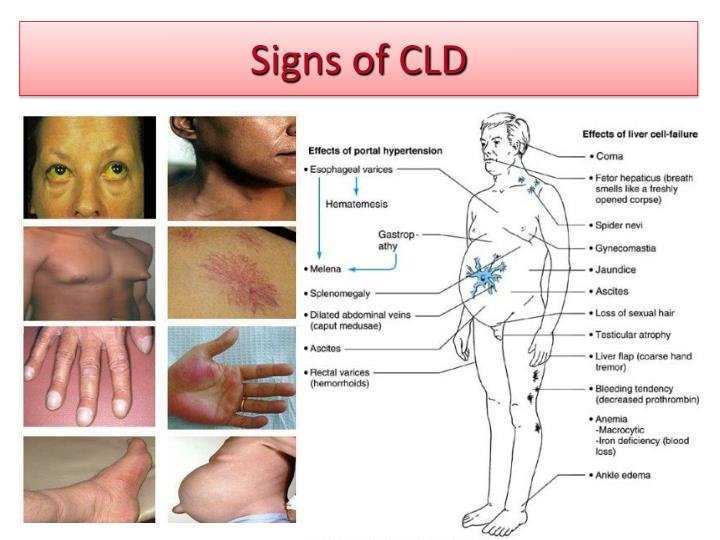
A 56-year-old man who drinks half a bottle of illicit liquor daily for 10 years presents with haematemesis and altered behaviour for 3 days. He has icterus, palmar erythema, ankle oedema, a flapping tremor, ascites and splenomegaly; BP 80/60, pulse 120. What is the unifying diagnosis?
Show answer and explanation
Answer: B. Decompensated cirrhosis
Decompensated cirrhosis
This patient has chronic alcohol use with multiple overt clinical signs of hepatic decompensation occurring together: variceal bleeding (haematemesis), hepatic encephalopathy (altered behaviour, flap), ascites, jaundice and signs of chronic liver disease (palmar erythema, splenomegaly).
Compensated versus decompensated
| State | Features |
|---|---|
| Compensated cirrhosis | No overt complications; often asymptomatic |
| Decompensated cirrhosis | Jaundice, encephalopathy, ascites, renal dysfunction, variceal bleeding |
What ties it together
- Years of alcohol cause cirrhosis; the diffusely abnormal architecture produces portal hypertension (varices, ascites, splenomegaly) and impaired hepatocellular function (jaundice, coagulopathy, encephalopathy).
- The combination of bleeding, encephalopathy and ascites defines decompensation.
Initial priorities
- Resuscitate the unstable bleed first, then manage each complication and look for precipitants (e.g. infection).
Practise every Gastroenterology and GI Surgery topic
This is a free sample. Sign up for the full bank of flashcards and exam-style questions on a spaced-repetition schedule, with 20 free stars a day.
More on Cirrhosis and Chronic Liver Disease
- SBA questionA patient presents with a large-volume upper GI bleed. Which of the following is a recognised cause of upper GI…
- FlashcardWhat is cirrhosis, and what distinguishes compensated from decompensated cirrhosis?
- FlashcardWhat drug and endoscopic treatments are used for acute variceal bleeding, and why are antibiotics given?